CREA
BRIEF DESCRIPTION OF THE INSTITUTION AND OF THE RESEARCH GROUP
The Council for Agricultural Research and Economics (CREA) of Italy is the governmental research institution partner of the S4G project.
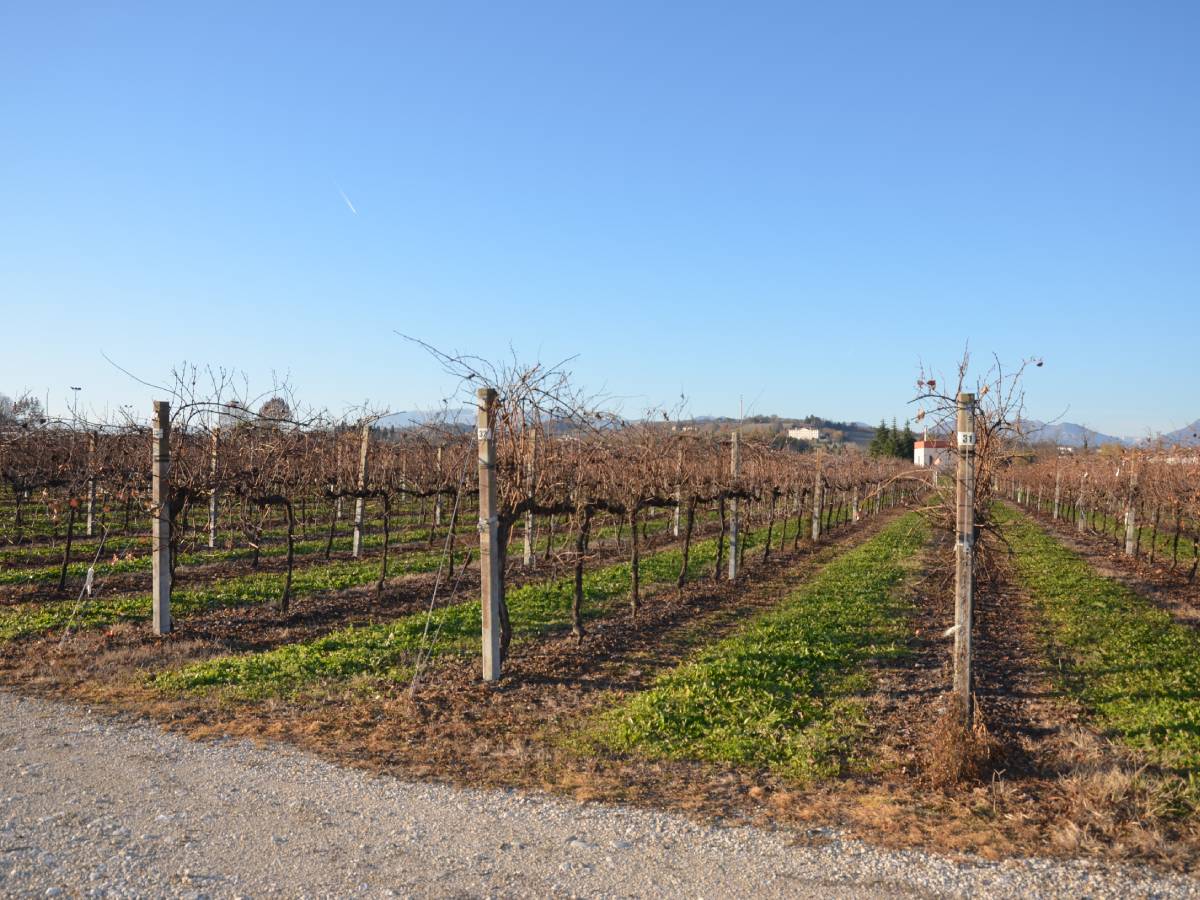
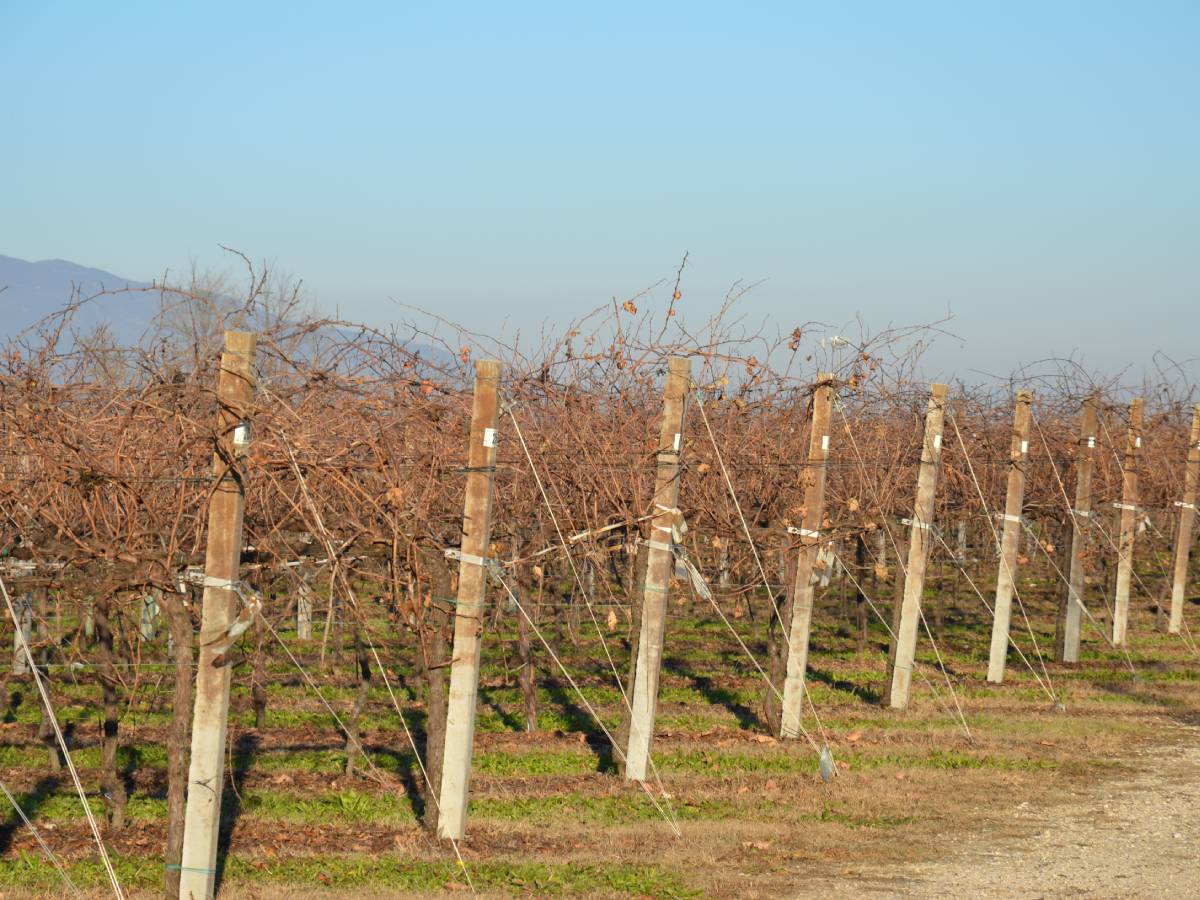
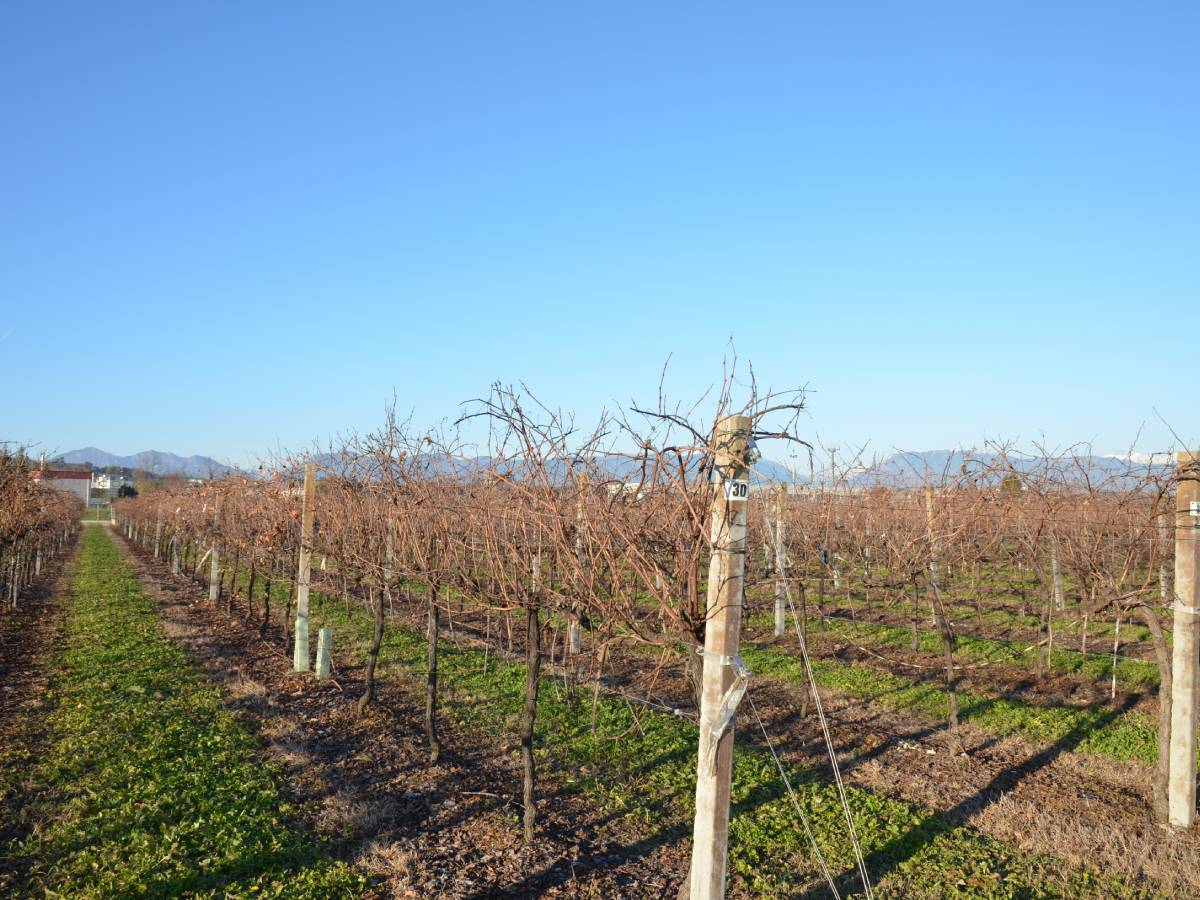
CREA has multidisciplinary know-how that ranges from plant genetics and physiology to mechanics and robotics; from innovative techniques for the management of sustainable productions, including practices to improve soil fertility and plant protection, to silviculture, under natural and cultivated ecosystems, and livestock farming; from agro-food industry processes to the nutritional properties of foods and dietary aspects. Consumer protection and education as well as waste reduction are also a top priority in all our activities. CREA possesses several farms and experimental fields, enabling us to conduct our studies under the same conditions as farmers operate. This allows us to validate the results of our research, verify their feasibility, and facilitate dissemination to the end users.
The S4G research team belongs to the Research Centre for Viticulture and Enology (VE) of the CREA, which deals with viticulture, with reference to table and wine grapes, including oenological transformation. It carries out activities for the conservation and enhancement of national grapevine germplasm. It promotes innovative cultivation techniques aimed at promoting environmental sustainability, including the soil-landscape-viticulture relationship, and food safety. It is active in chemical, biological, and sensory studies related to grape transformation, also through the enhancement of genotypes and microbial biodiversity. Furthermore, timely research on New Plant Breeding Techniques (NPBTs) and novel biotechnological tools to enhance tolerance to biotic and abiotic stresses and to promote sustainable management of defense practices in vineyards, including the utilization of beneficial microbes (referred to as microbial breeding), has been developed.
Particularly, the S4G CREA research team is constituted by 4 researchers (Drs. Riccardo Velasco – CREA-VE Director, Federica De Maria, Walter Chitarra and Luca Nerva), 4 research fellows (Dr. Loredana Moffa, Dr. Francesco Favaretto, Dr. Giuseppe Paradiso and Dr. Filippo Villano), and 3 PhD students (Dr. Anna Narduzzo, Dr. Alberto Spada and Dr. Ivan Bevilacqua). All the S4G members work at the CREA-VE in the ‘Grape Biotechnologiy and Physiology Interactions lab’. Their scientific activity primarily focuses on grapevines and is mainly related to the following topics:
- New plant breeding techniques (cisgenesis, gene editing) in grapevine.
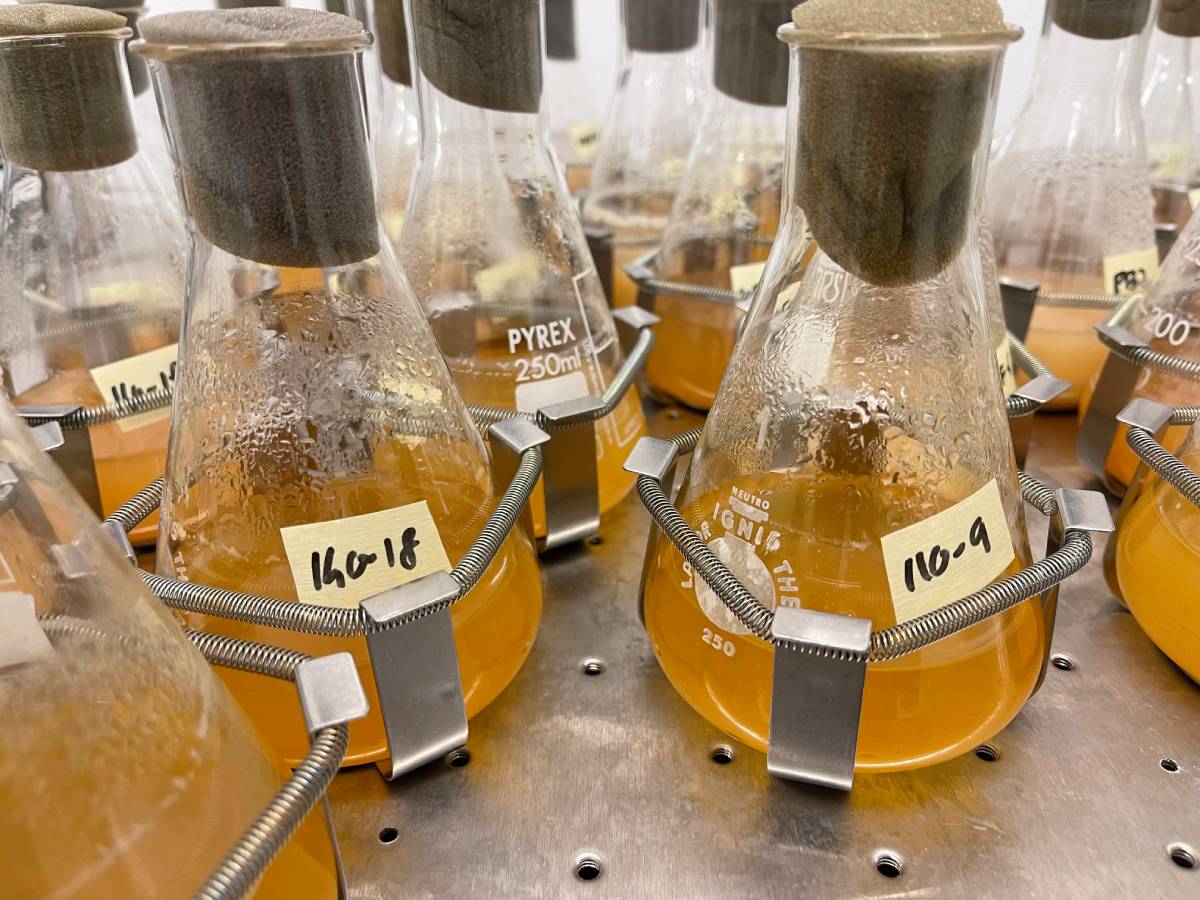
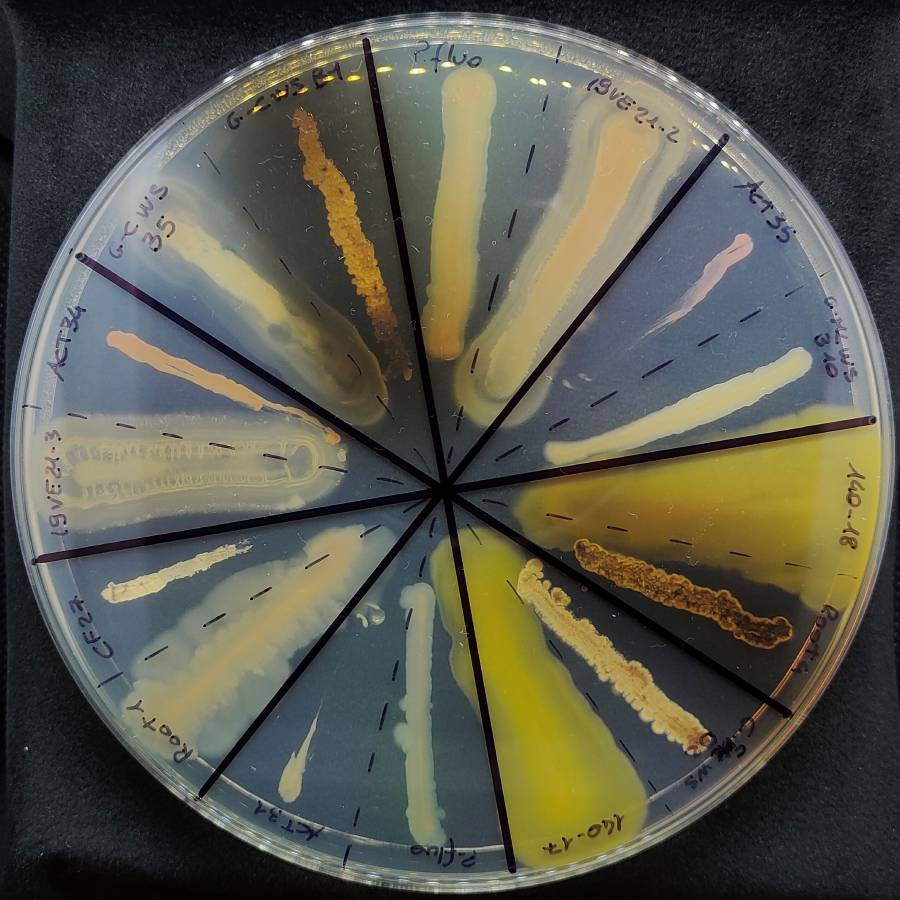
- Isolation and characterization of grape microbial endophytes stored in a built-in microbial bank. This activity is addressed to formulate tailored Synthetic Communities (SynComs) to enhance plant biotic and/or abiotic stress resilience.
- Plant responses to biotic and abiotic stresses using a holistic and multidisciplinary approach, considering plants as holobiont entities (plants with their inhabiting microbes), in order to decipher the complex relationships occurring in a specific context.
- Application of Spray Induced Gene Silencing (SIGS) techniques for functional studies and to develop novel sustainable strategies to control the main foliar and wood decay fungal pathogens.
- Discovery and study of micoviruses and viruses to dissect the microbial ecology considering all the trophic levels.
- Study of grapevine-environment-beneficial microbe interactions for both basic and applied research purposes.
DESCRIPTION OF THE PARTNER’S CONTRIBUTION TO THE PROJECT
In the context of the S4G project, the CREA research team is primarily involved in the WPs and tasks outlined in the table below. Specifically:
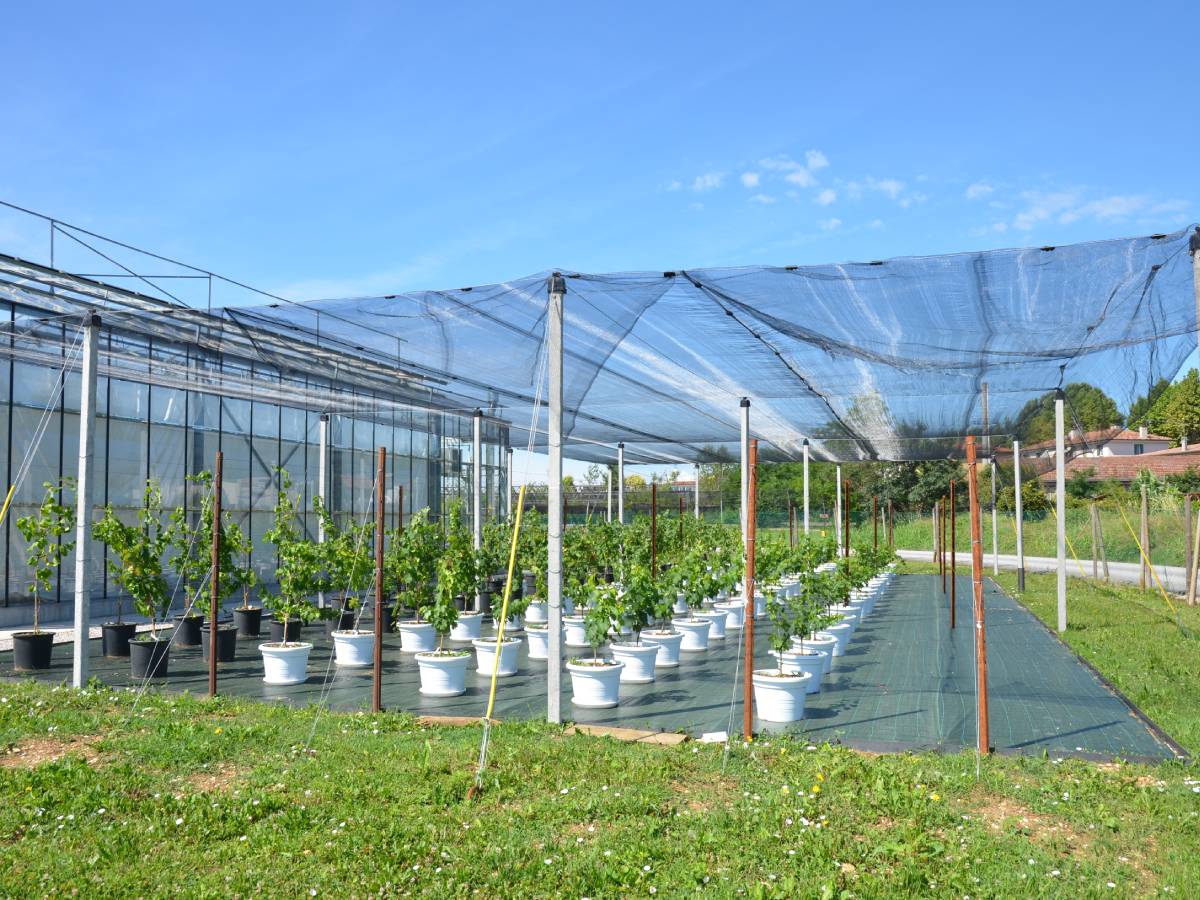
WP1. In the context of the exploitation of grapevine biodiversity and identification of new traits of resilience to diseases, the CREA research team will perform a survey of the putatively PM and PD resistant genetic resources available at the CREA-VE germplasm vineyard collection. Additionally, the CREA collection of somaclones, mutated for biotic stress resilience, will be evaluated by controlled inoculations of PM and DM pathogens to select the most promising genotypes. The most resilient accessions will be further evaluated for GTD susceptibility in the greenhouse by artificially inoculating the plants with a set of the most important GTD agents. The most promising varieties and somaclonal accessions will be further analyzed using multi-omics approaches and epigenome-wide association study (EWAS) to explore the genetic and epigenetic traits associated to disease tolerance.
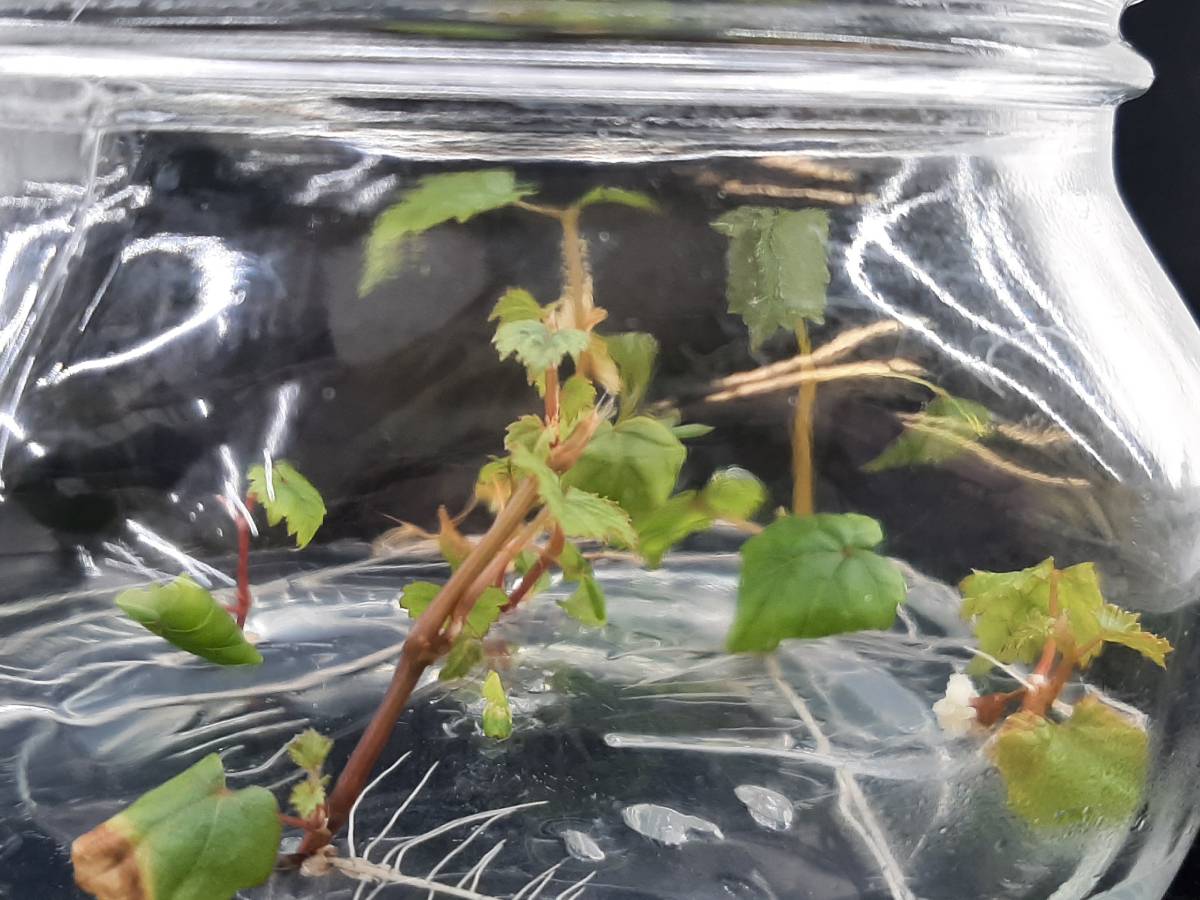
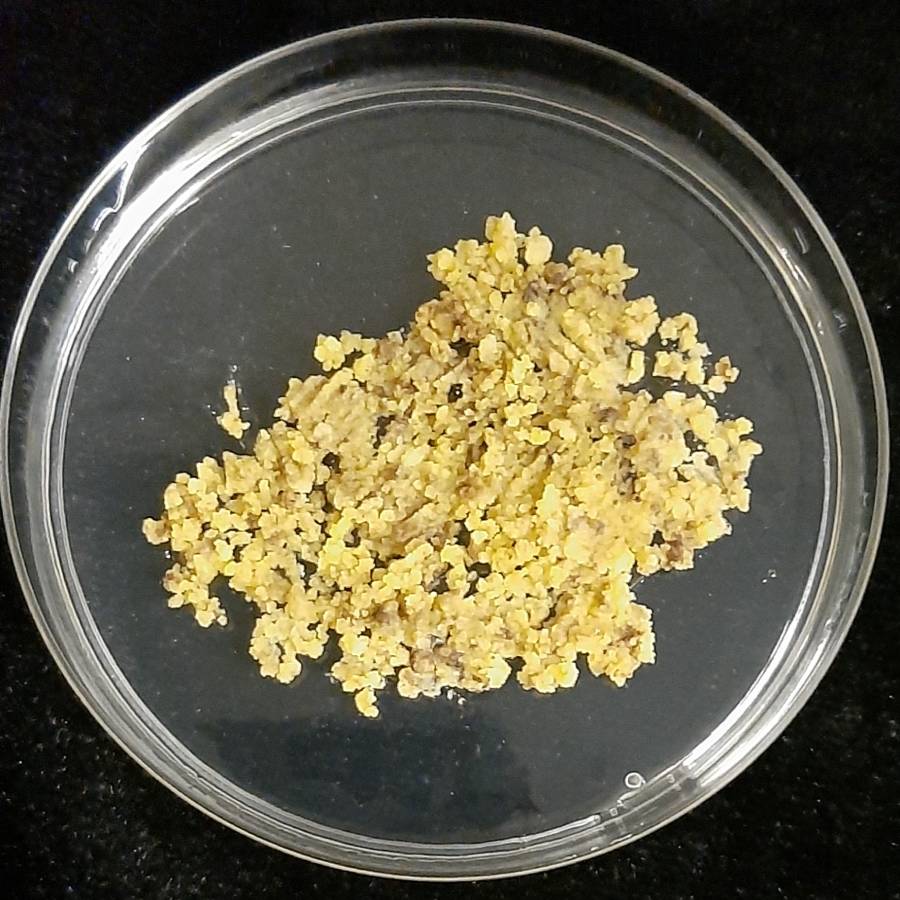
WP2. In the context of the development of new grapevine genotypes resilient to diseases, the CREA research team will exploit the New Plant Breeding Techniques to improve plant defense responses. Target genes already available (VvNPR3, VvFERONIA, VvGST40, etc) and new ones identified in WP1 will be inserted/edited exploiting a recombinase system (CRE-loxP) already available at CREA. This system, placed under the control of an inducible heat shock promoter, will be used to remove the selection marker and other foreign DNA sequences. Constructs will be delivered via Agrobacterium tumefaciens into embryogenic calli obtained from grapevine floral explants. CREA will also be in charge of engineering the hologenome exploiting the microbial biodiversity activity by exploiting the already available microbial biodiversity stored in the ViMed-Biomebank composed by isolates directly collected from vine tissues. Here, the CREA team will develop tailored SynComs to prime vines against environmental stresses. The effects of SynComs application on grape plants will then be evaluated combining ecophysiological, molecular and targeted biochemical approaches. The best performing SynComs will be also studied using metatranscriptomics to dissect the holobiont/hologenome adaptation mechanisms.
WP3. In the frame of the integrated pest management strategies applied to tolerant genotypes in field conditions, CREA research team will select at least one cultivar among local/minor V. vinifera varieties tolerant to fungal diseases and adapted to local climatic conditions on which integrated pest management strategies will be applied and compared to an international susceptible
one. Furthermore, microbial community analyses and soil health status will be performed on a selection of two experimental/demonstrative vineyards considering the two most promising IPM strategies identified.
The CREA research team is also engaged, at various levels, in other WPs of the S4G project.
In WP4, the CREA research team will contribute to all Tasks concerning the Socio-economic effects of the selected strategies. The CREA research team is also engaged, at various levels, in other WPs of the S4G project.
Reducing the use of chemical inputs has become a major challenge, especially under the EU Green Deal and the Farm to Fork strategy (F2F). Several countries share this goal even because it is a relevant issue in public policies. The CREA team will work on creating economic, environmental, and social indicators to measure the challenges faced by farmers. The team will use a quantitative approach to estimate the importance of each decision factor, the willingness of farmers to pay (WTP) for changes in these factors, and their willingness to accept (WTA) changes. Additionally, a Delphi survey exercise will be conducted to analyze the level of agreement among experts. This will be done by collecting opinions and data through questionnaires.
An evaluation of the economic impacts will be carried out using Positive Mathematical Programming (PMP). The aim is to estimate the hidden costs of using traditional varieties versus introducing new varieties in the farm production plan. These costs will then be used to evaluate the farm’s response to change, specifically the introduction of new varieties, in the reference scenario.
In WP5, the team will participate in organizing educational field activities for knowledge exchange among the S4G Consortium partners and producers/advisors. Finally, in WP6, the CREA research team will collaborate with all partners in the development of communication, dissemination, and exploitation activities.
CREA research team – WP leaders and Task leaders
| CREA Researchers | Role in the project | WP leadership | Task leadership |
|---|---|---|---|
| Dr. Walter Chitarra | Team member | WP3 | Task2.4 |
| Dr. Luca Nerva | Team member | Task2.2; Task 5.3 | |
| Dr. Federica De Maria | Team member | WP4 Deputy | Task4.2; Task4.3 |
| Dr. Riccardo Velasco | Team member | Task1.4 |