IMIDA
The IMIDA Institute (Spain)
The IMIDA is a public Institute for Agricultural and Environmental Research and Development based in Southeast of Spain (Murcia), an area with scarcity of water ad high temperatures. IMIDA clearly supports the development of sustainble viticulture through its crossbreeding programs. In fact, it is the pioneering spanish public center registering new varieties of both wine grapes and table grapes with better adapted to the cultivation areas. The wine grape crossbreeding programme carried out by the IMIDA, has allowed the obtaining of new grapevine varieties from the local ‘Monastrell’ variety and other international varieties: the white variety ‘Calblanque’ and the red varieties ‘Calnegre’, ‘Gebas’, ‘Quípar’ and ‘Carmolí’ were obtained from crosses between ‘Monastrell’ and ‘Cabernet Sauvignon’; and the red ‘Myrtia’ variety from crosses between ‘Monastrell’ and ‘Syrah’ (https://www.mdpi.com/2311-7524/9/7). These new varieties represent a support to the wine sector of the area, which will have an innovative and competitive material of high quality, maintaining their wines a Mediterranean profile.
Moreover, an crossbreeding program is being developed to obtain vines that in addition to good behavior in semi-arid climates, are resistant to diseases such as powdery mildew and downy mildew, which will drastically reduce the systematic application of phytosanitary treatments. The wine grape breeding program is carried out thanks to the collaboration of the IMIDA Molecular Genetic Improvement and Oenology and Viticulture research teams.
IMIDA contribution to the S4G project
IMIDA will participate in:
WP1 Exploitation of grapevine biodiversity and identification of new genetic and epigenetic traits for reselience to diseases. Specifically in Task 1.4 Genetic and epigenetic traits associated to disease tolerance. The selection of very old clones of Monastrell, an autochthonous variety adapted to a semi-arid area, will be carried out to study the potential epigenetic marks associated to defence responses. Phenotypic evaluation for resistance to powdery mildew and downy mildew of these clones will be carried out, in colaboration with the University of la Rioja (UR), and the best candidates will be selected for epigenome association studies (EWAS).
WP2 Development of new grapevine genotypes resilient to diseases. Specifically in Task 2.1 Marker assisted breeding for selecting genotypes resistant to PM and DM. Currently, a marker-assisted breeding program is being developed with a local variety (Monastrell) for resistance to DM and PM, using different resistant parents. Phenotypic evaluation of marker-selected plants for resistance will be carried out during 2024, in collaboration with the UR. During 2025-2026, selected resistant genotypes will be characterized for grape quality in order to preselect new grapevine hybrids resistant to DM and PM.
WP3 Integrated pest management strategies applied to tolerant genotypes in field conditions. Specifically in Task 3.1 Improving IPM strategies in vineryard to reduce the environmental impact of PM and DM control. The selected hybrid genotypes resistant to PM/DM obtained at IMIDA will be acclimatized in a growth chamber during 2025-2026 and elicitors will be applied to compare the resistance to PM and DM of the plants treated and not treated with elicitors. The phenotypic evaluation of resistance will be carried out in collaboration with UR.
WP4 Socio-economic effects of the selected strategies. Specifically in Task 4.1 Analysis of drivers and barriers and behavioral antecedents in the adoption for grape growers of tolerant genotypes and IPM practices in viticulture. Collect qualitative and quantitative information of grape growers by questionnaire developed by BSB. And in Task 4.4 Analysis of the impact of policy interventions on the adoption of tolerant genotypes and IPM practices in viticulture. Collect information of grape growers using a questionnaire builted by BSB.
WP6 Communication, dissemination and exploitation.
Task 2.1 leader: Marker assisted breeding for selecting genotypes resistant to PM and DM.
Name: Leonor Ruiz García
Organization: IMIDA
Contributors: UR, UP, INIAV
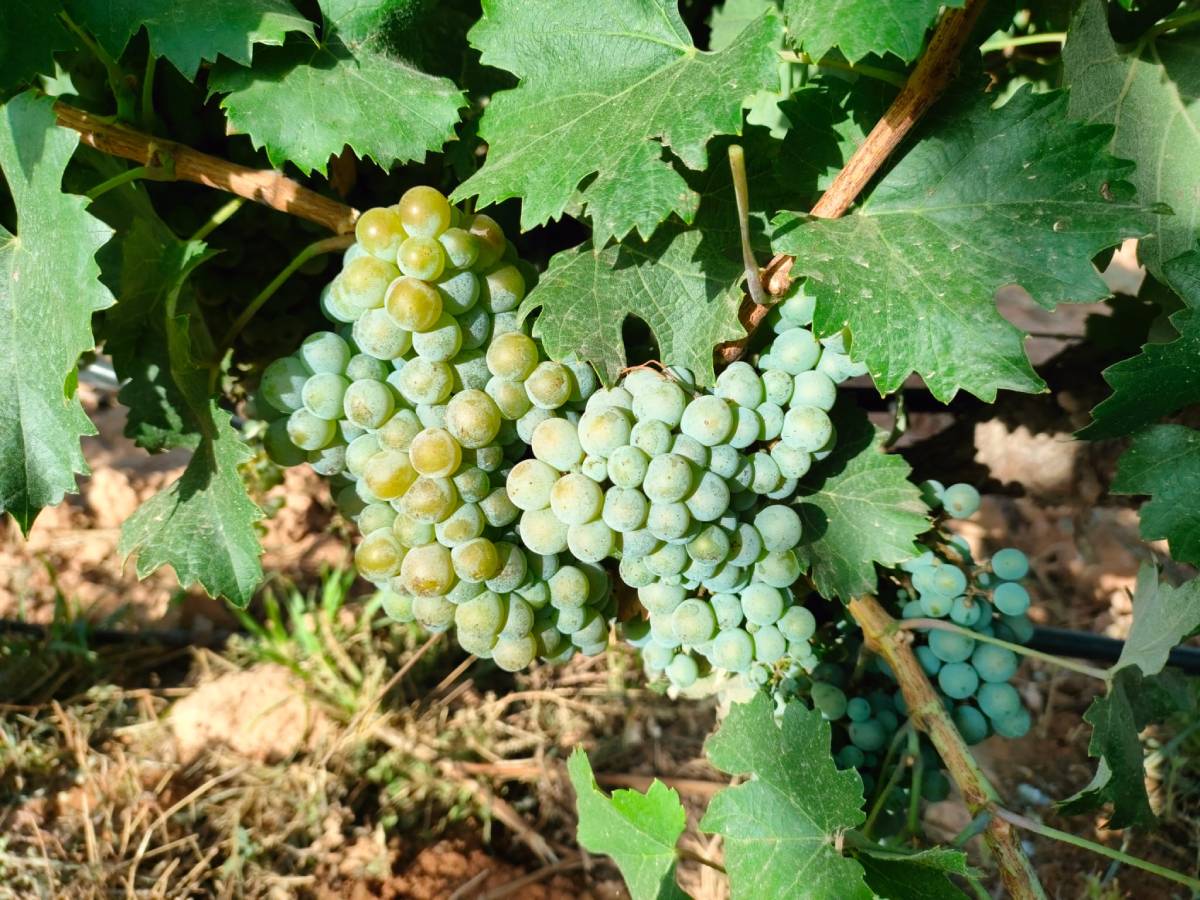
Calblanque
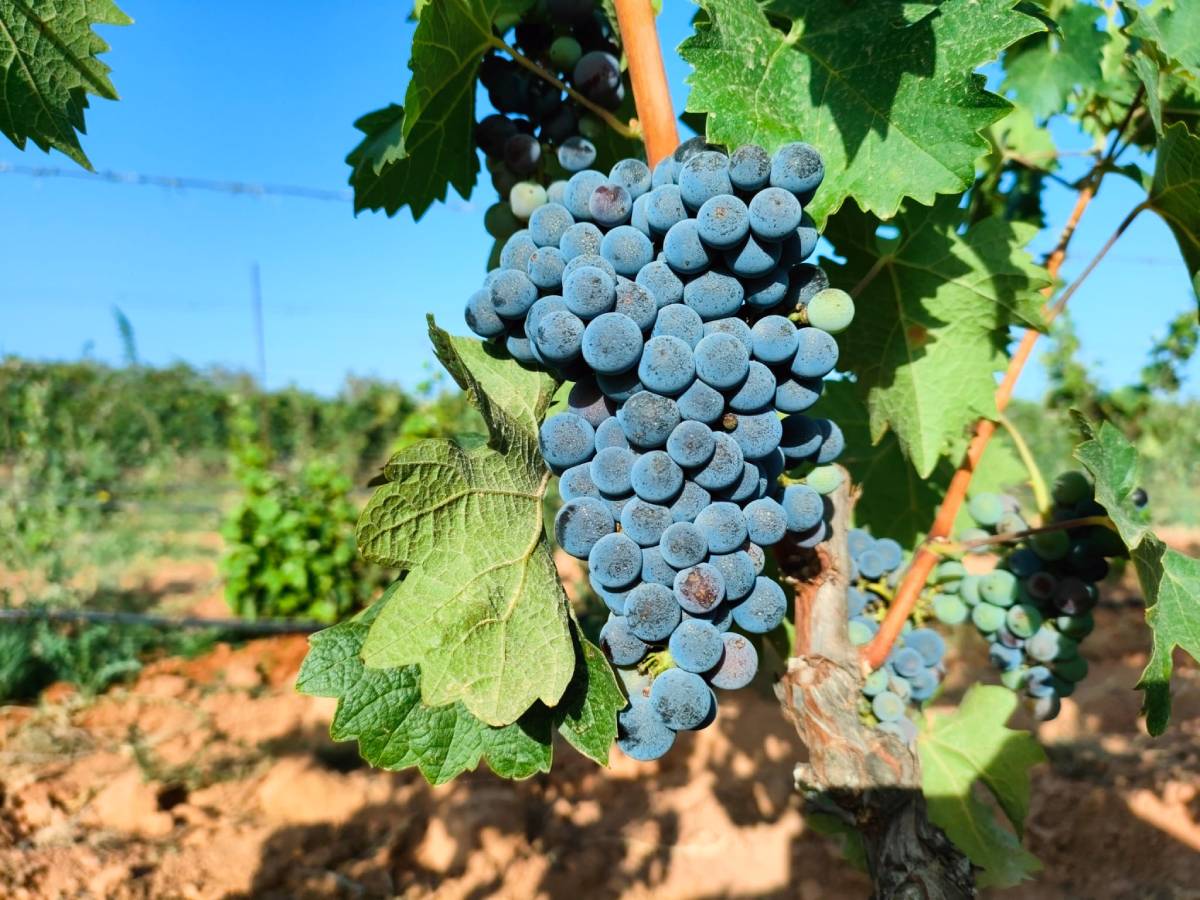
Calnegre
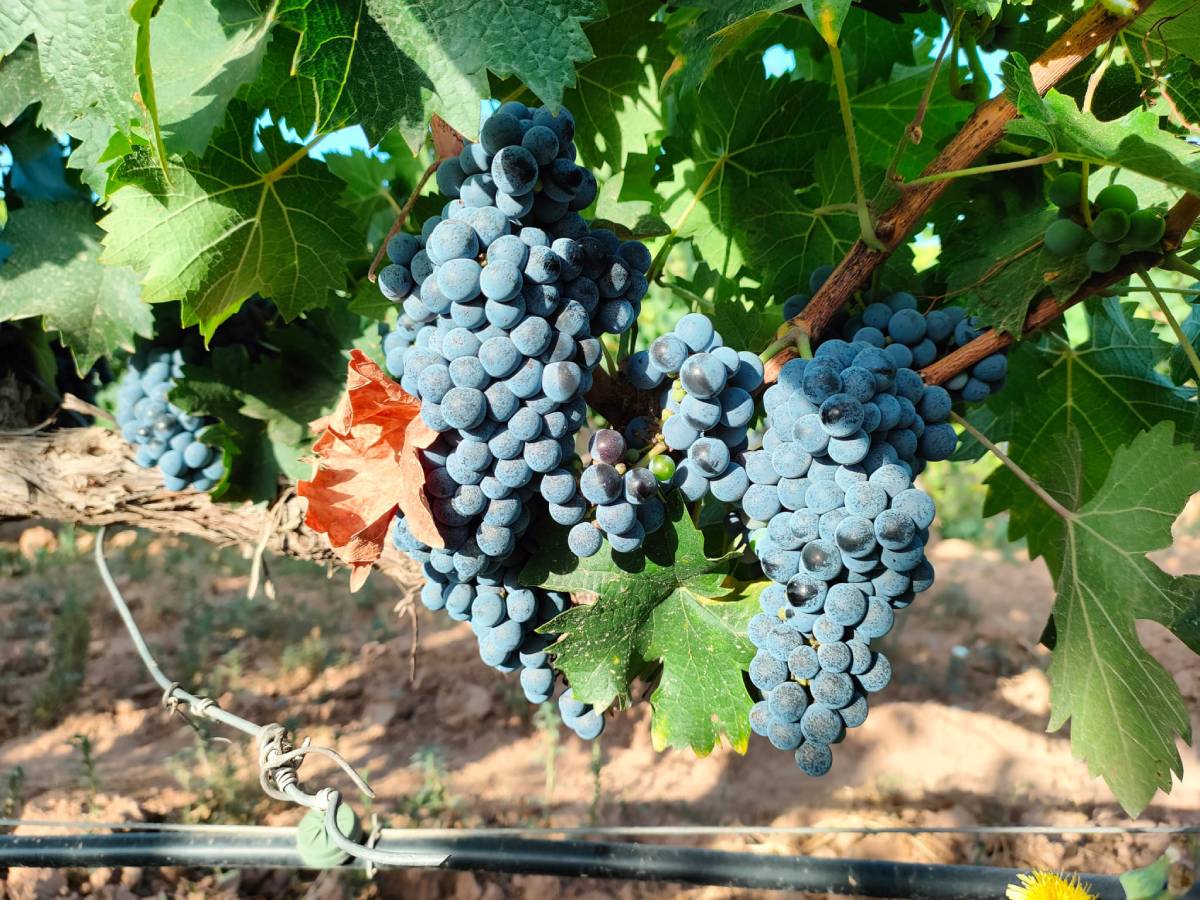
Gebas
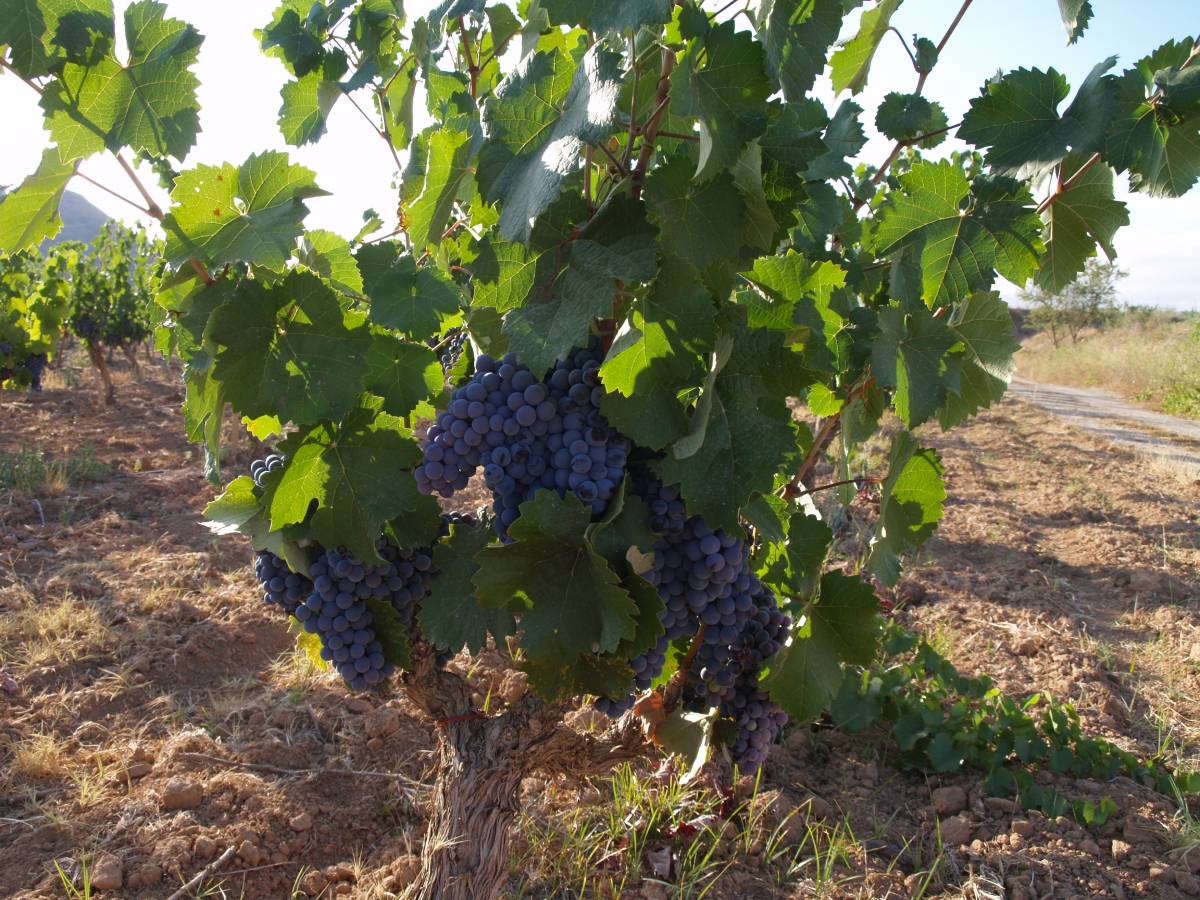
Monastrell
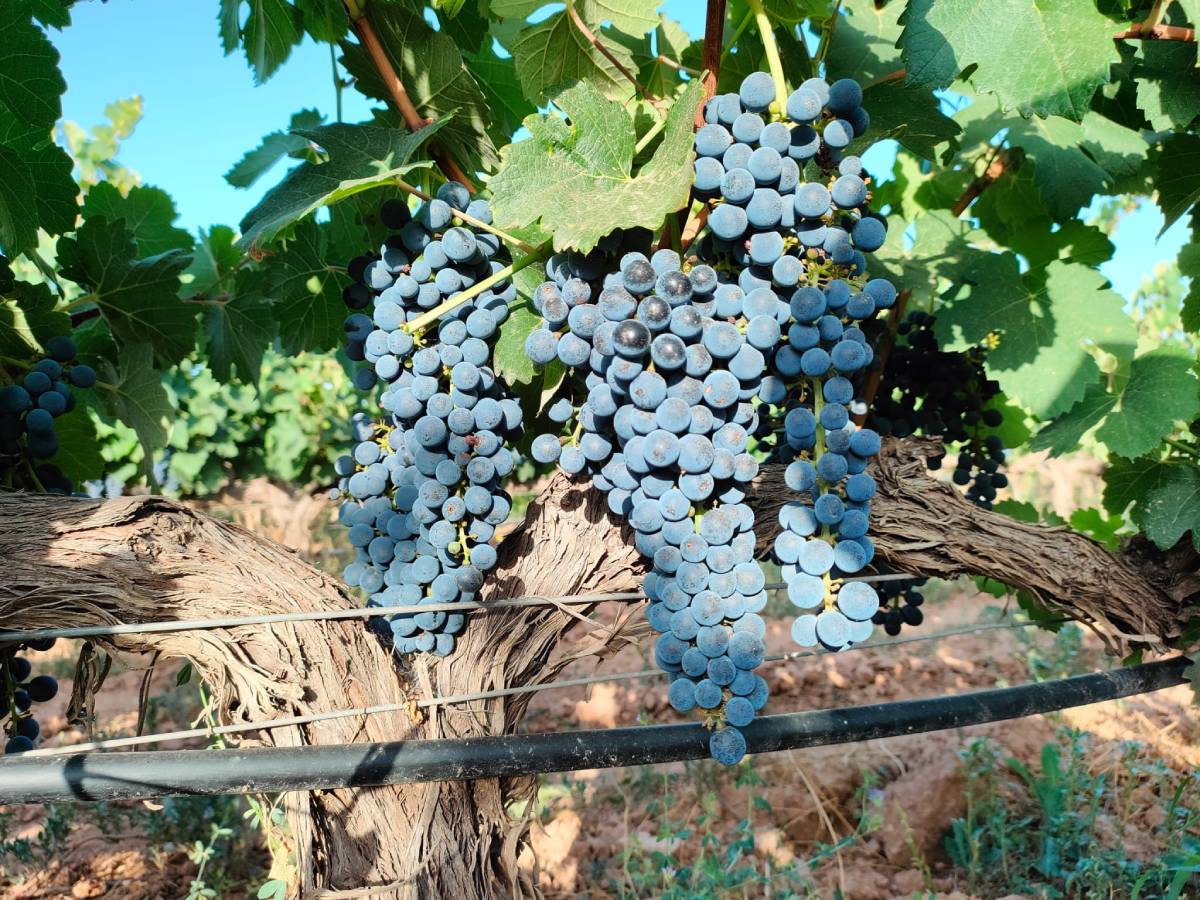
Myrtia
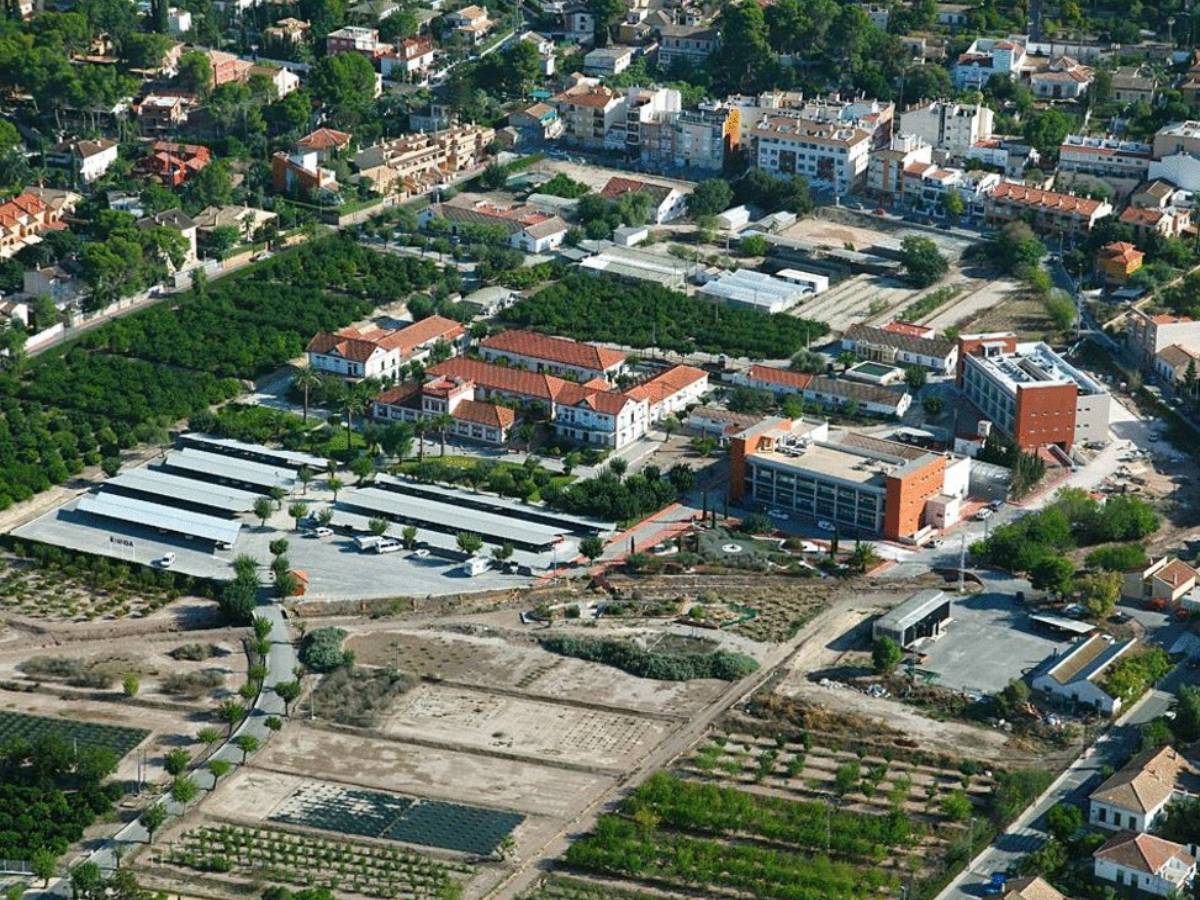
Aerial view of the IMIDA
About crossbreeding process
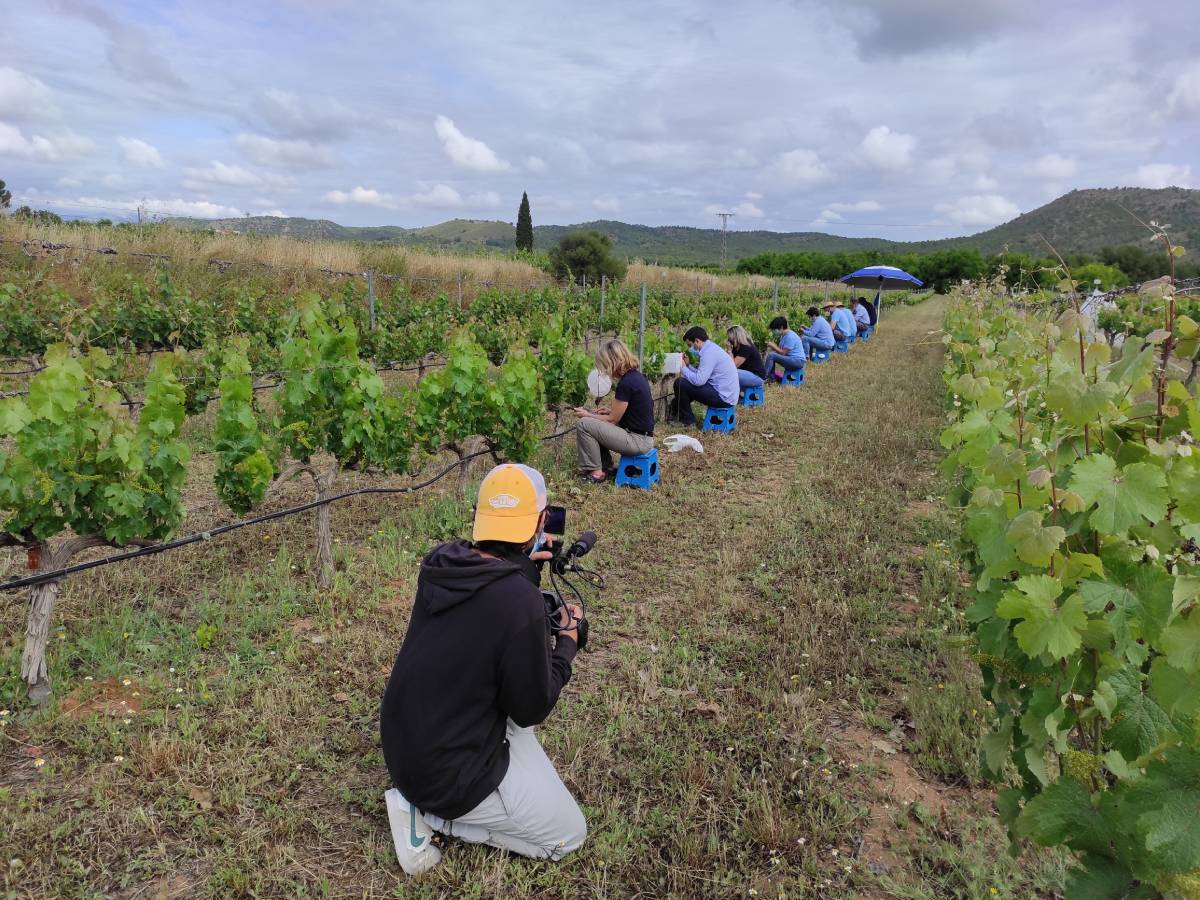
1-1 Crossbreeding Team
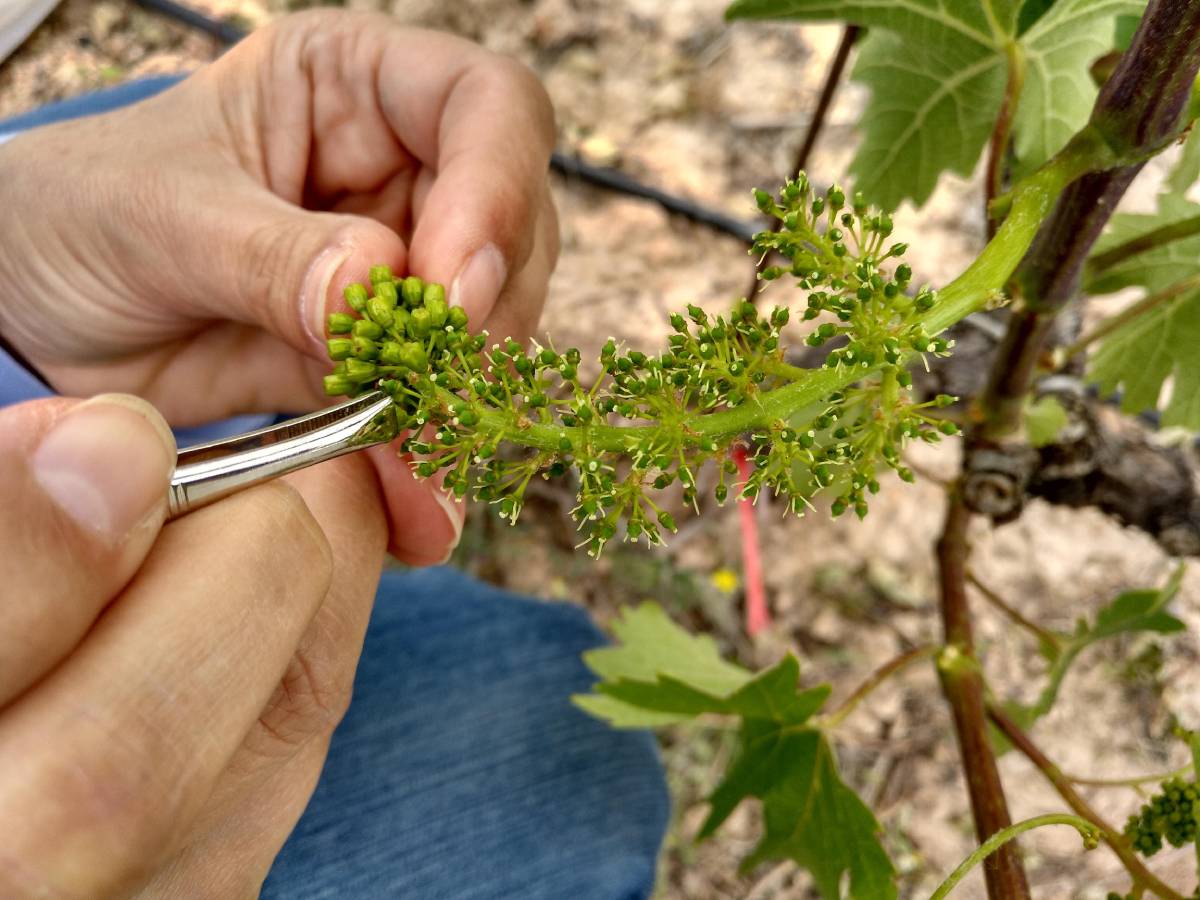
1-2 Emasculated bunch
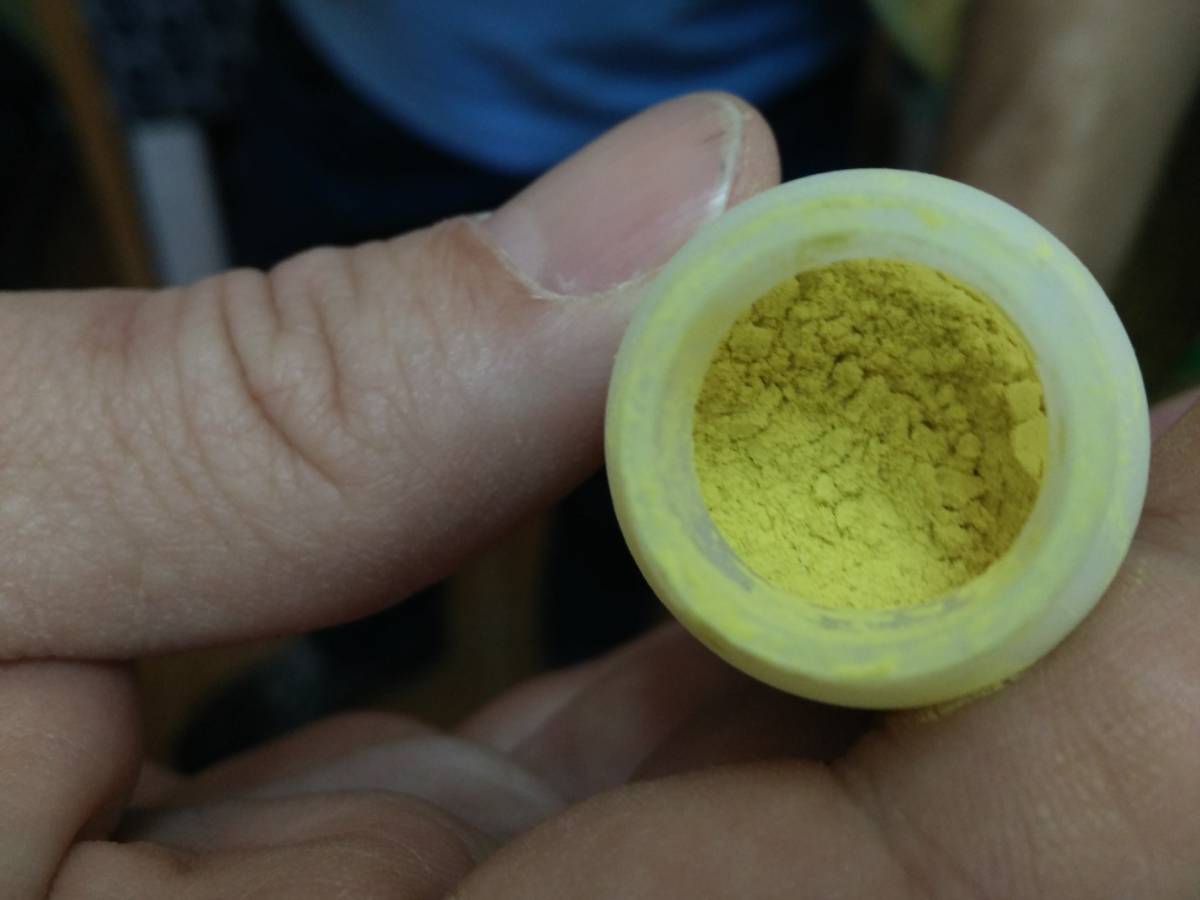
2 Collected pollen
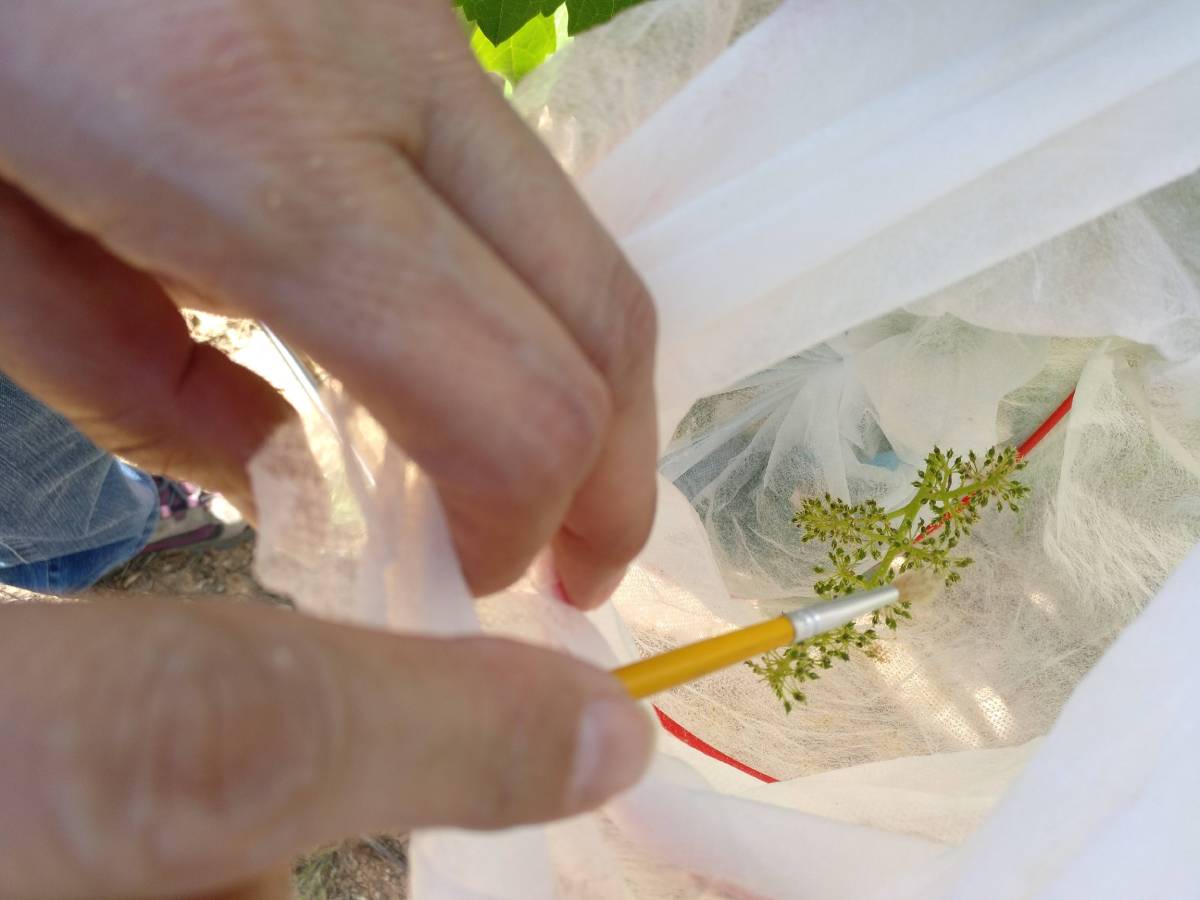
3 Emasculated bunch pollination
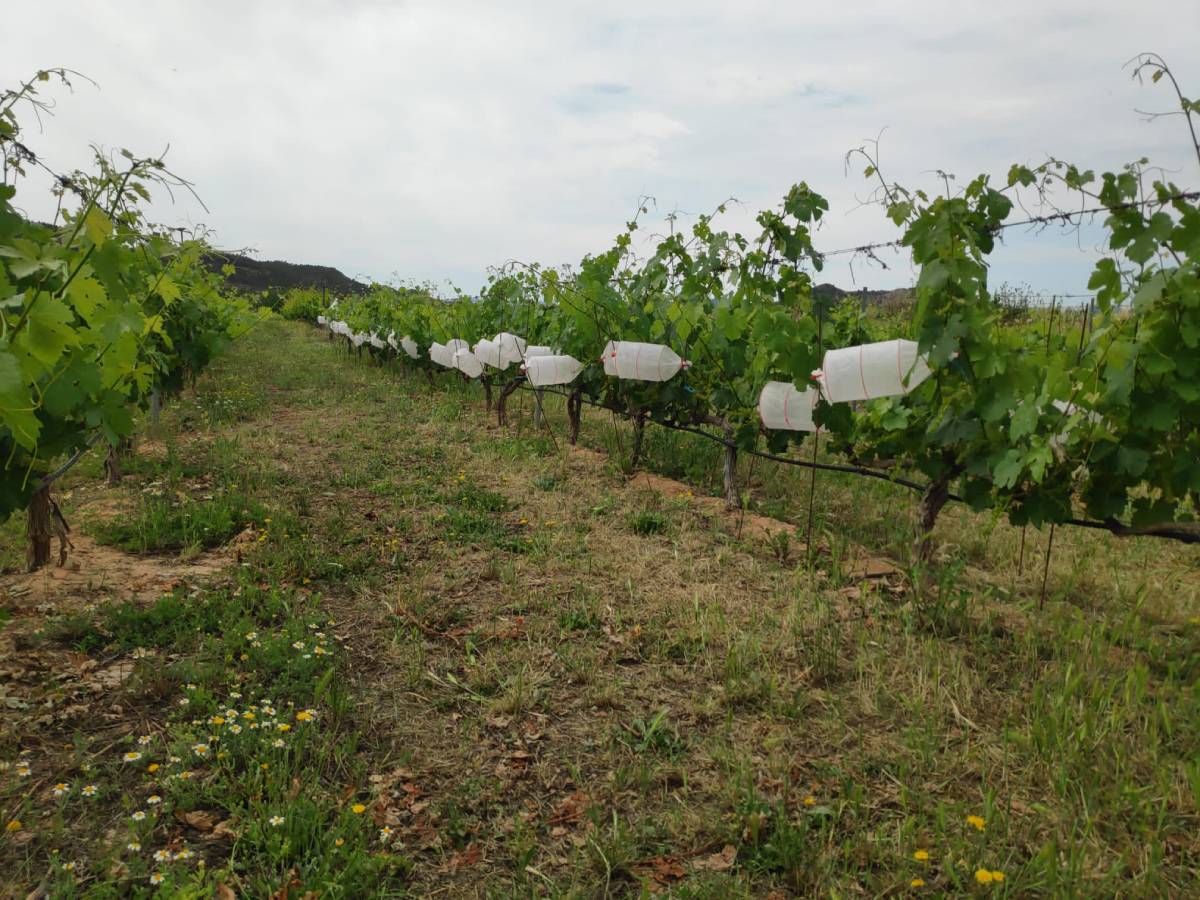
4 Pollinated bunches protected with bags
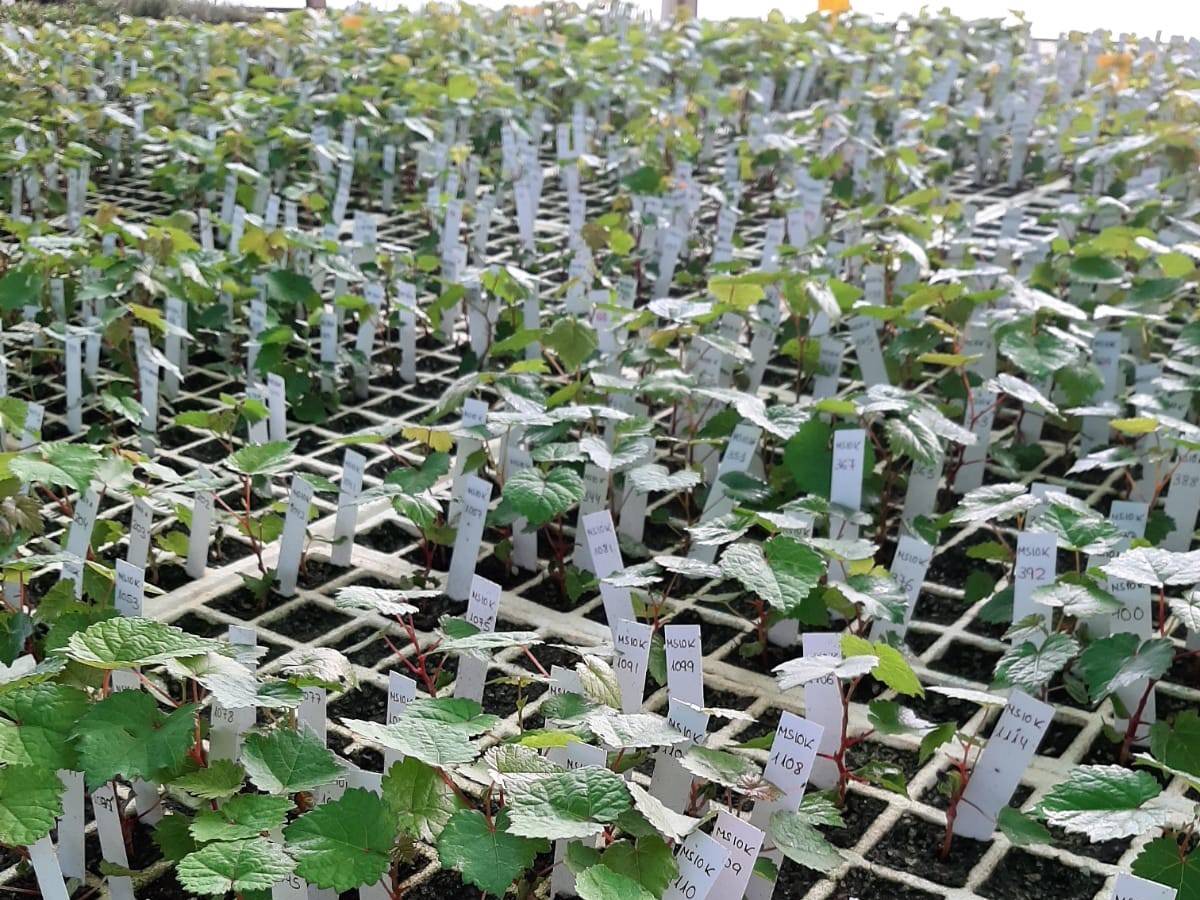
5 Germinated seeds in nursery
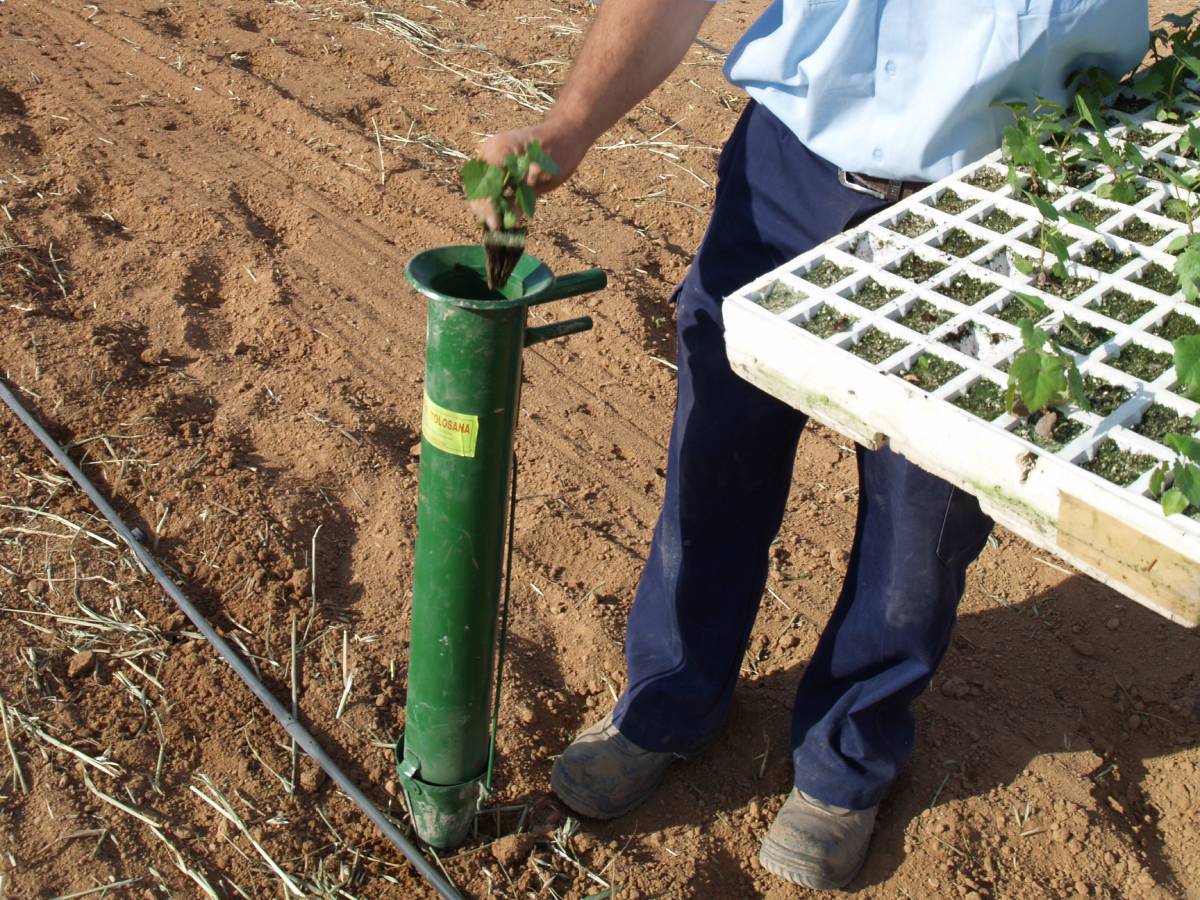
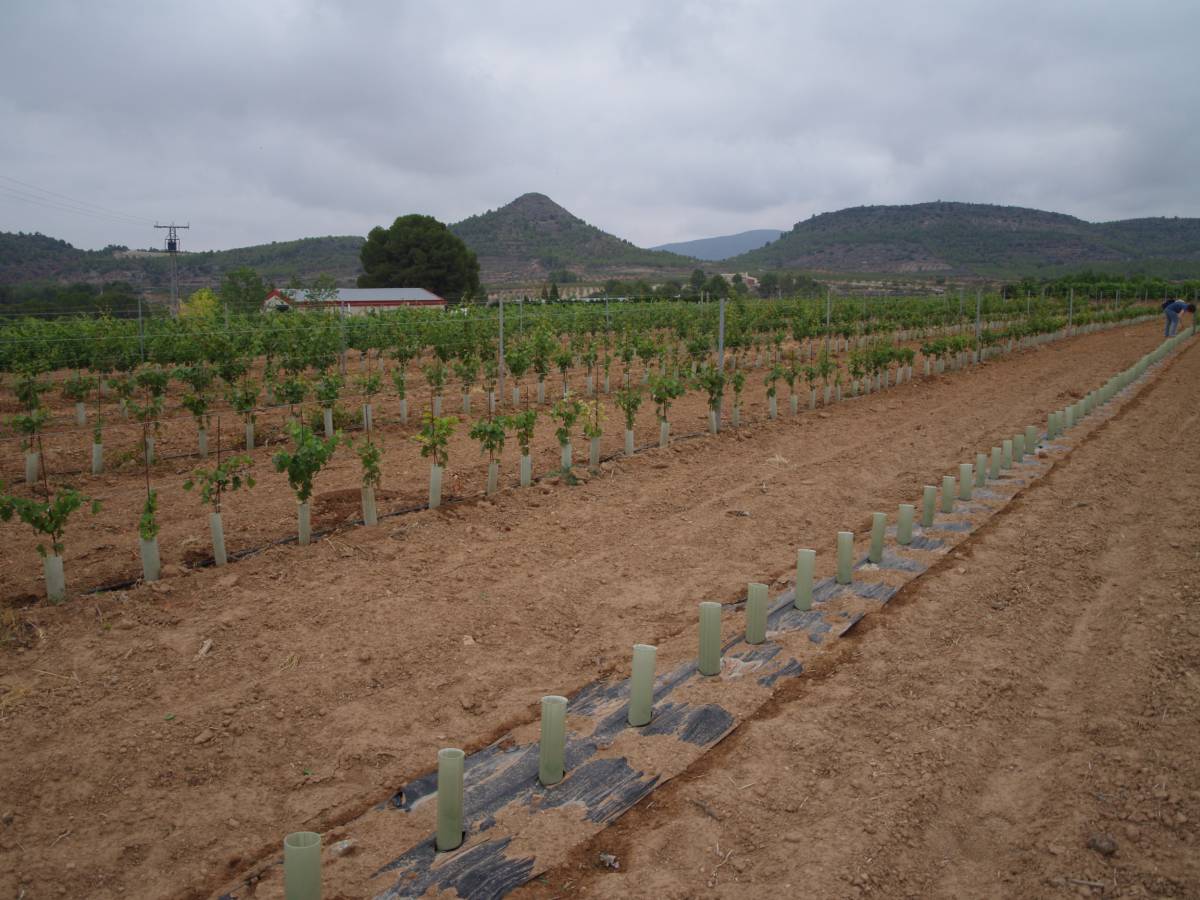
6-1 Field planting