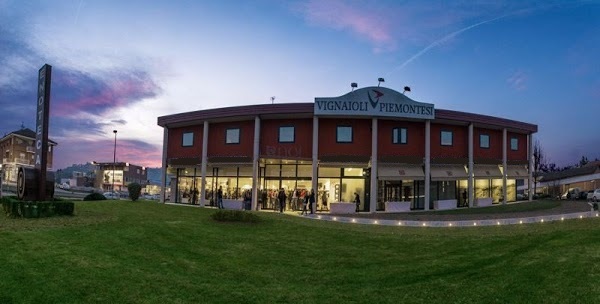
VIGNAIOLI PIEMONTESI
WP1:explotation of grapevine biodiversity and identification of new genetic and epigenetic traits for resilience to diseases
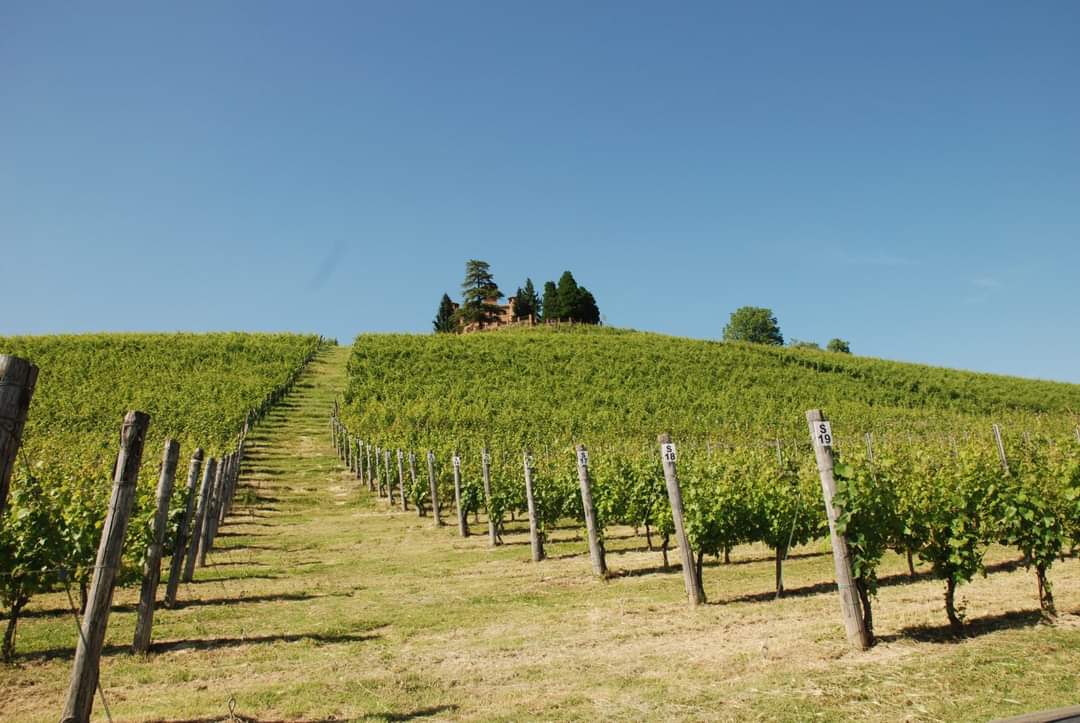
Agronomic management and phenological surveys at the GRINZANE CAVOUR GERMPLASM COLLECTION VINEYARD- 800 accessions (over 500 different cultivars), and at SOMACLONE COLLECTION: population of genotypes of different local and commercial grape cultivars (Nebbiolo, Chardonnay, Brachetto) and rootstocks (110R) regenerated through somatic embryogenesis process.
WP2. Development of new grapevine genotypes resilient to diseases
The Vignaioli team will suggest interesting local grapevines to be used in mutagenesis experiments via somatic embryogenesis.
WP3.Integrated pest management strategies applied to tolerant genotypes in field conditions
A local variety tolerant to PM (Slarina) and a traditional susceptible cultivar will be selected for the evaluation of several IPM strategies (Preparatory experiment in 2024 for a more sufficient design for upcoming experiments (2025 & 2026))
Vignaioli will plant in 2024 a selection of the best performing somaclones of different international and local varieties already available at CNR in an experimental/demonstrative vineyard. Experiments in 2025 and 2026)
T 3.2. Agronomic and metabolomics responses associated to GxExM interactions
Monitoring the impact of the chosen IPM strategies on agronomic and metabolomic traits of the local PM-tolerant variety (Slarina).
T3.3. Impact of the selected strategies on the agroecosystem biodiversity
Fungicide residues will be evaluated by HPLC on different matrices (leaves, berries, wine).In 2025 and 2026, we will collect samples from leaves/berries/wines subjected to different IPM strategies in 1 tolerant variety and 1 susceptible (control). Analysis of the fungicide residues
WP4. Socio-economic effects of the selected strategies
In-depth interviews and web survey to gather knowledge, acceptance and perceptions of collect grape growers (associated with Vignaioli) towards the reduction of pesticides in viticulture and the use of new resilient grapevines.
WP5. Support and training to adopt tolerant grapevine genotypes and IPM practices
Vignaioli will involve its associates in experimentation and open field info days, and will spread the best solutions proposed in S4G among local stakeholders through peer-to-peer learning and field training
WP 6: Communication, dissemination and exploitation
Dissemination through:
Website: www.vignaioli.it
Social media: facebook, linkedln,
Articles published in sustainable farming and environmental magazine and newsletter : MILLEVIGNE (https://www.millevigne.it).
WP7. Project coordination and management
Participation to In-person meeting of the General Assembly once per year and, Extraordinary meetings with any partner or group of partners whenever,