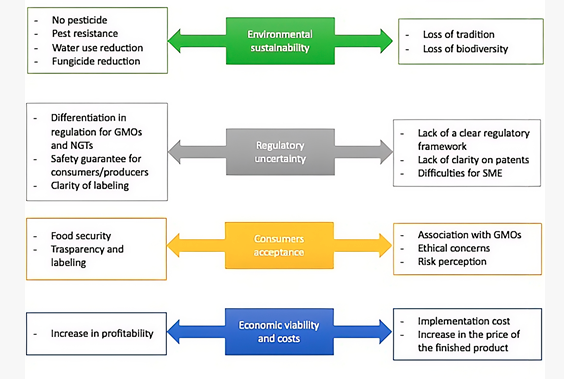
Are grape growers ready to adopt New Genomic Techniques (NGTs)? What potential benefits do they see, and what barriers could limit their adoption?
Our partners from CREA Ricerca, BSB – Burgundy School of Business and GIP BOURGOGNE JURA VIGNE ET VIN have published an article in the International Journal of Wine Business Research exploring European grape growers’ perceptions of NGTs, with a particular focus on Pinot Noir producers in Burgundy, Champagne and Jura — regions where this grape variety is strongly associated with terroir, tradition and identity.
The study combines in-depth interviews with 18 grape growers from six European countries and a survey of 44 Pinot Noir producers from these three French regions.
The interviews show that grape growers recognise several potential benefits of NGTs, including reduced chemical inputs, increased disease resistance and improved adaptation to climate change. However, acceptance remains cautious and conditional, particularly due to regulatory uncertainty, consumer perceptions, limited knowledge, costs and questions surrounding agronomic performance.
This cautious attitude is particularly pronounced among Pinot Noir producers, with neutral and negative attitudes predominating. The main concern relates to the perception that NGTs may interfere with nature. More broadly, concerns also relate to tradition, the integrity of terroir, consumer acceptance and the reputation of wines.
While exploratory in nature, the study provides evidence that the adoption of NGTs depends not only on their agronomic performance, but also on the regulatory framework, access to information for wine professionals, market acceptance and the compatibility of these innovations with the identity of wine-producing regions.
Authors : DeMaria F., Morucci L., Morandi F., Agnoli L., Vasileiou E., Lieutet M., Humbert, F.
International Journal of Wine Business Research (2026). doi: 10.1108/IJWBR-02-2026-0028

Shield4Grape project took part in the 2nd SIDEA-SIEA-CESET Conference in [...]
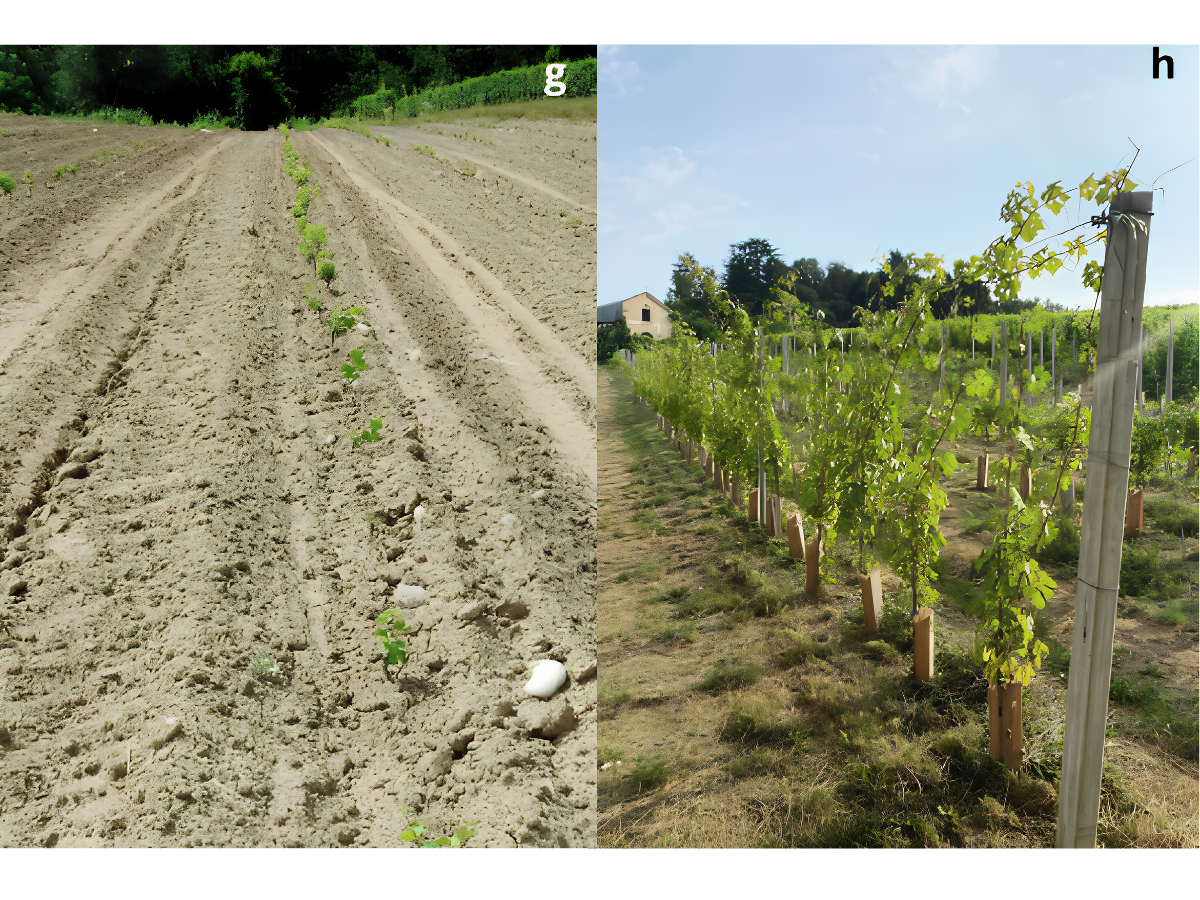
We are pleased to share a new joint publication resulting [...]
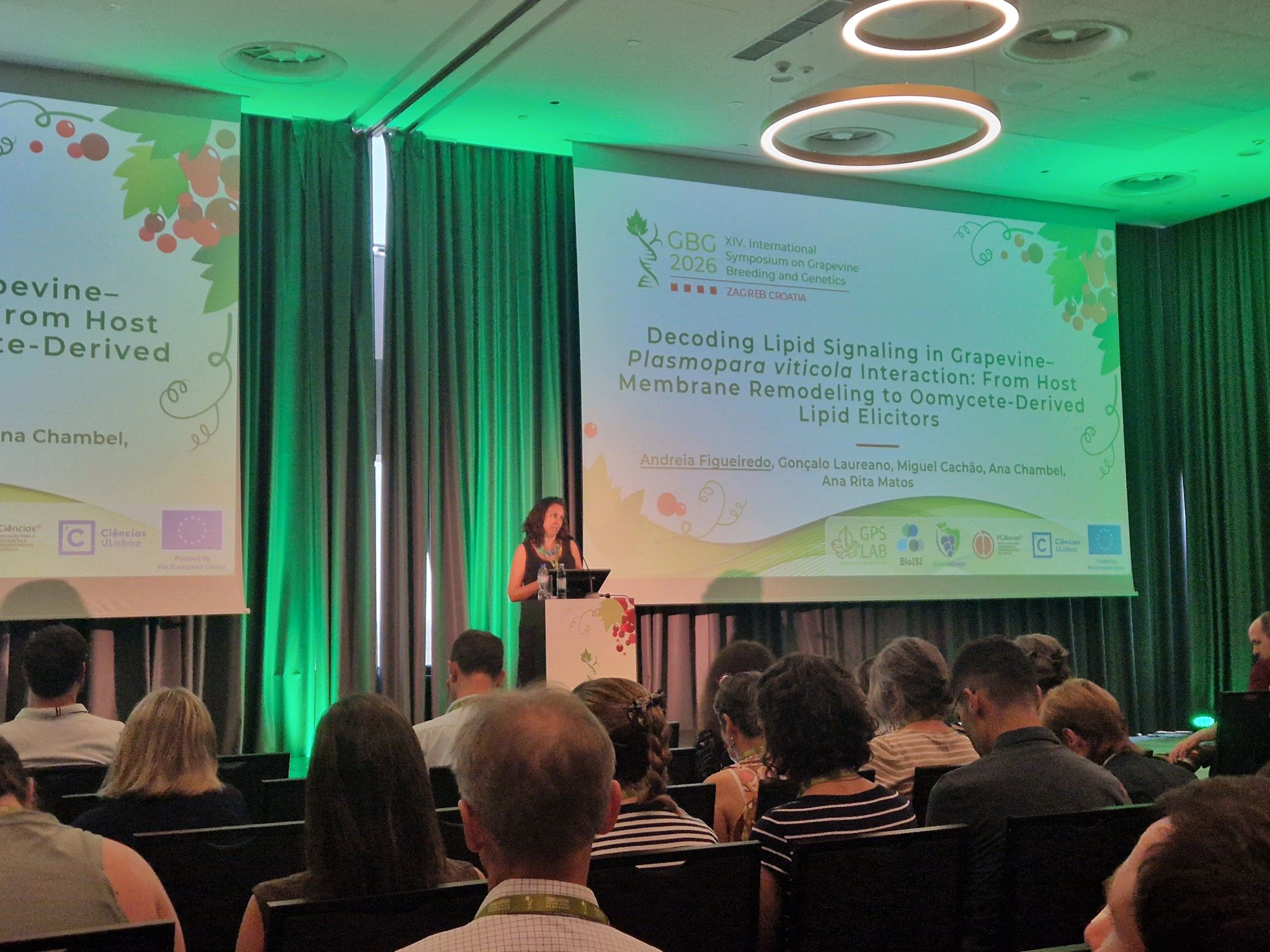
Shield4Grape project was featured at the Grapevine Breeding and Genetics Conference [...]
-
Shield4Grape project took part in the 2nd SIDEA-SIEA-CESET Conference in [...]
-
We are pleased to share a new joint publication resulting [...]